
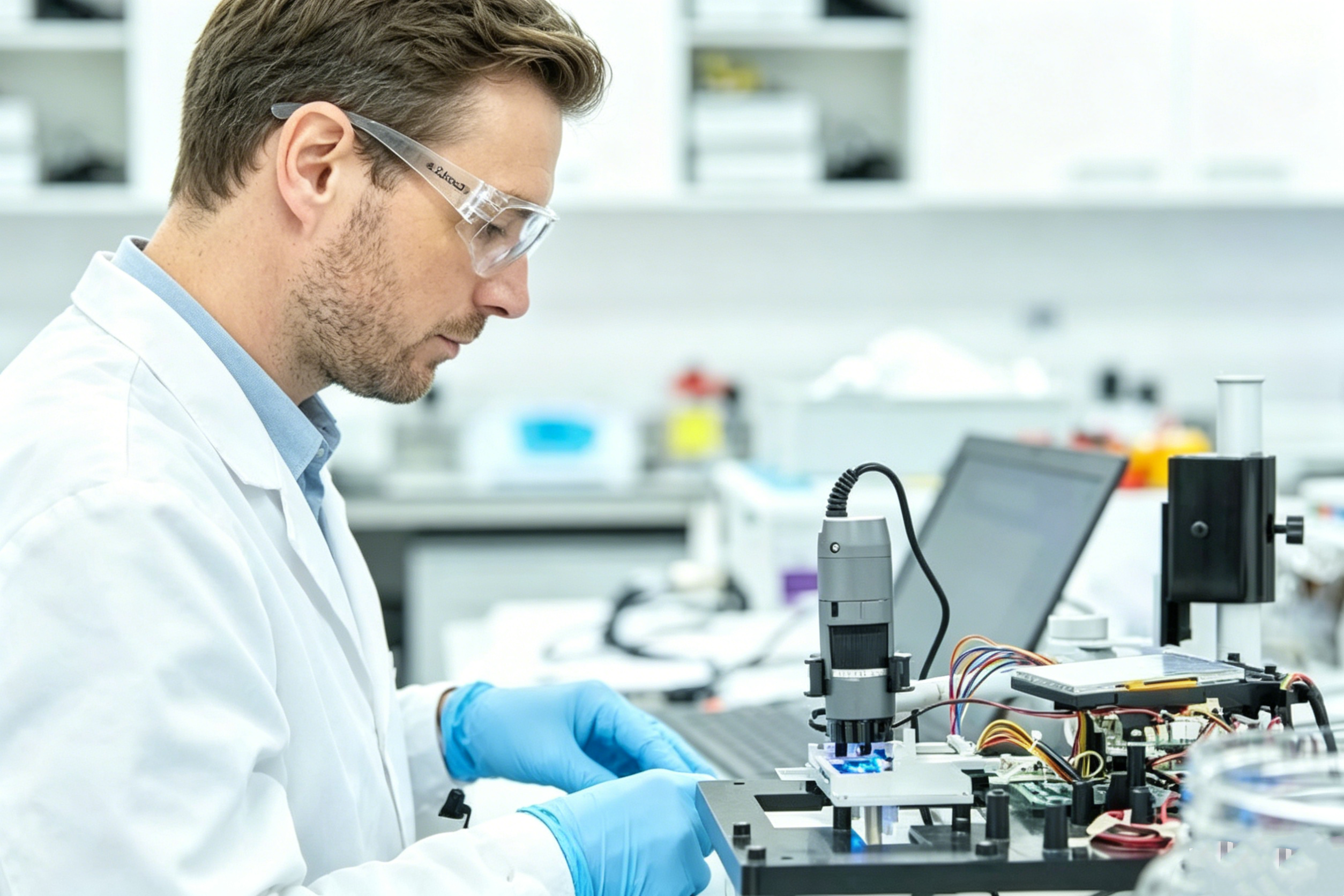
Cosmetic laser equipment is a highly integrated system made up of multiple precision components working in perfect coordination. Even with proper daily maintenance, component aging is inevitable as operating hours accumulate. The real question is not if a failure will occur, but whether early warning signs are identified in time and the right components are replaced before a major breakdown happens.
Detecting problems early can:
*Prevent unexpected machine downtime
*Avoid treatment interruptions
*Significantly reduce overall maintenance costs
*Extend the service life of your equipment
Below are 7 common warning signs that indicate critical components of your aesthetic laser device may be reaching the end of their service life—and exactly where you should focus your inspection.
1. Unstable Energy Output
Typical signs
*Inconsistent treatment results without changing parameters
*Energy levels must be increased repeatedly to achieve previous effects
Key components to check
*Power module
*High-voltage capacitors
*Energy monitoring and calibration components
When these components degrade, energy consistency and treatment safety are directly affected. Replacing worn parts often restores output stability quickly and cost-effectively.
2. Abnormal Noise or Excessive Vibration
Typical signs
*New or unusual sounds (friction noise, high-frequency whistling)
*Noticeable vibration during operation
Key components to check
Cooling fans
*Water pump / cooling module
*Internal mounting and fixation structures
Although these parts are relatively inexpensive, continued operation can cause serious secondary damage. For example, a stuck fan may lead to laser cavity overheating.
3. Cracks, Burn Marks, or Cable Damage
Typical signs
*Cracks or deformation on the casing
*Burn marks or discoloration near connectors
*Damaged or hardened cable insulation
Key components to check
*Wiring harnesses
*Interface connectors
*PCB boards and related electronic modules
Visible damage is often a surface symptom of deeper electrical issues. Timely replacement helps prevent short circuits, poor contact, or cascading electronic failures.
4. Declining Treatment Effectiveness
Typical signs
*Equipment powers on and operates normally
*Clinical endpoints are no longer achieved (e.g. weak erythema, reduced hair removal efficiency)
Key components to check
*Handpiece internal components
*Optical elements and filters
*Energy transmission modules
These are core consumable components. Regular replacement is essential to maintain treatment efficacy and patient satisfaction.
5. Frequent Error Codes or Calibration Failures
Typical signs
Repeated alerts such as “Low Water Flow” or “Communication Error”
Self-check or calibration processes fail repeatedly
Key components to check
*Sensors (flow, temperature, pressure)
*Control motherboard
*Power supply and signal transmission modules
Addressing these issues early prevents sudden shutdowns during treatment, which often result in higher emergency repair costs and customer complaints.
6. Unexpected Shutdowns or Automatic Restarts
Typical signs
*Sudden power loss during treatment or standby
*Screen goes black or system restarts without warning
Key components to check
*Power supply components
*Temperature control elements
*Internal cable connectors
Such events are usually triggered by protective safety mechanisms, but the root cause is often a single aging component. Replacing that part is far more efficient than repairing the entire system.
7. Overheating or Reduced Cooling Performance
Typical signs
*Equipment casing becomes unusually hot
*Coolant consumption increases abnormally
*Handpieces feel excessively hot
Key components to check
*Cooling fans
*Water cooling system (pump, tank, heat-dissipation fins)
Cooling pipelines and connectors
The cooling system is one of the most overlooked yet most critical subsystems. Reduced cooling efficiency accelerates damage to expensive core components such as laser cavities and crystals—repairs that cost far more than replacing a fan or pump.
Why Replacing Individual Parts Is Usually Better Than Replacing the Entire Machine?
For most cosmetic laser equipment failures, a full machine replacement is unnecessary.
By accurately identifying the faulty component and replacing it in time, you can:
*Restore performance quickly
*Extend equipment lifespan
*Reduce maintenance budgets
*Minimize treatment downtime
Preventive part replacement is not a cost—it’s an investment in operational stability and long-term profitability.
Final Tip
Establishing a scheduled inspection and component replacement plan based on operating hours—not just visible failures—is the most effective way to keep your aesthetic laser equipment running safely, efficiently, and profitably.